
The monitor
Provided free of charge where one is needed, and set up with you rather than handed over in a box.
Diabetes education, Melbourne south east
Anyone can hand you a list of things to give up. The useful work is finding the two or three changes that fit the life you already have, and that you are still doing in six months. That is the part of this job I enjoy most.
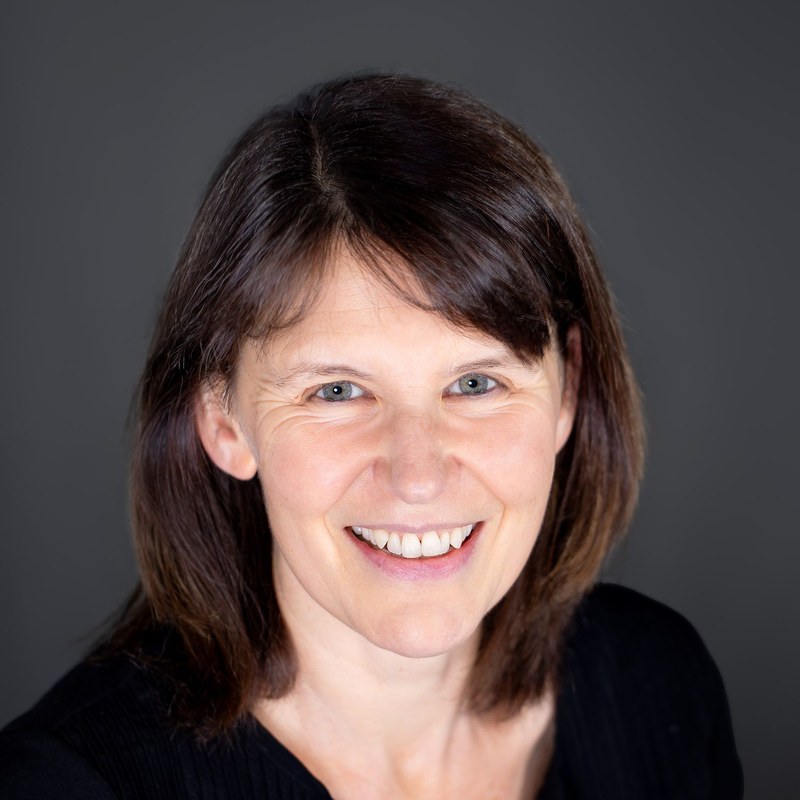
Hilary Edwards, credentialled diabetes educator and accredited pharmacist
Where to start
A diagnosis usually arrives with a pamphlet and not much time. These are the four we work through, in this order.
Specific to the type you have been diagnosed with, in plain words, without the assumption that you already know the vocabulary.
What is being prevented, over years rather than weeks. This is usually the one that makes the rest of it make sense.
Ways to monitor it, how to read what you see, and when a number is worth acting on. A blood glucose monitor is provided free of charge where one is needed.
Two or three things, chosen with you rather than for you, aimed squarely at reducing the risk of the longer term complications diabetes can cause.
The approach
A plan built for somebody with a quiet Tuesday will not survive a week with three shifts and a school pickup. So the changes get chosen against the week you actually have.
The goal is a change you are still doing in six months, not one that collapses on day four.
That means starting smaller than most people expect, and being honest about what will not work rather than writing it down anyway.
Monitoring
Knowing how to read what you see is what turns a monitor from a source of worry into something useful. Where a monitor is needed, one is provided free of charge.
Provided free of charge where one is needed, and set up with you rather than handed over in a box.
What the numbers mean, what moves them, and which ones are worth a second look.
Knowing the difference between a number to note and a number to do something about.
What the pattern says across weeks and months, which is where the useful signal actually lives.
Your medicines
I am accredited to carry out medication reviews, visiting people at home and in aged care to go through their medicines and make recommendations to their GP about their treatment.
Thirty years as a pharmacist pointed at one question that a standard appointment never has room for. Is this whole list still the right list.
Draft wording. How a review is arranged, who is eligible and any funding detail need Hilary's own confirmation before this goes live.
Questions
Draft answers, written to show the shape of the section. Every one needs Hilary's own wording before anything goes live.
Draft answer. Most people arrive at a first appointment with more questions than they had room to ask in the appointment where they were diagnosed.
Draft answer. This depends on the service and how it is funded, so it needs Hilary's confirmation rather than a guess.
Draft answer. No fees are published anywhere at the moment, so none are shown on this concept.
No. The whole approach is the opposite of that. Two or three changes, chosen to fit your week, is a better starting point than twenty.
Yes. Medication reviews are carried out in aged care as well as at home, with recommendations going back to the treating GP.
Get in touch
Tell me what you are dealing with. You will get a straight answer back rather than a booking prompt.
