
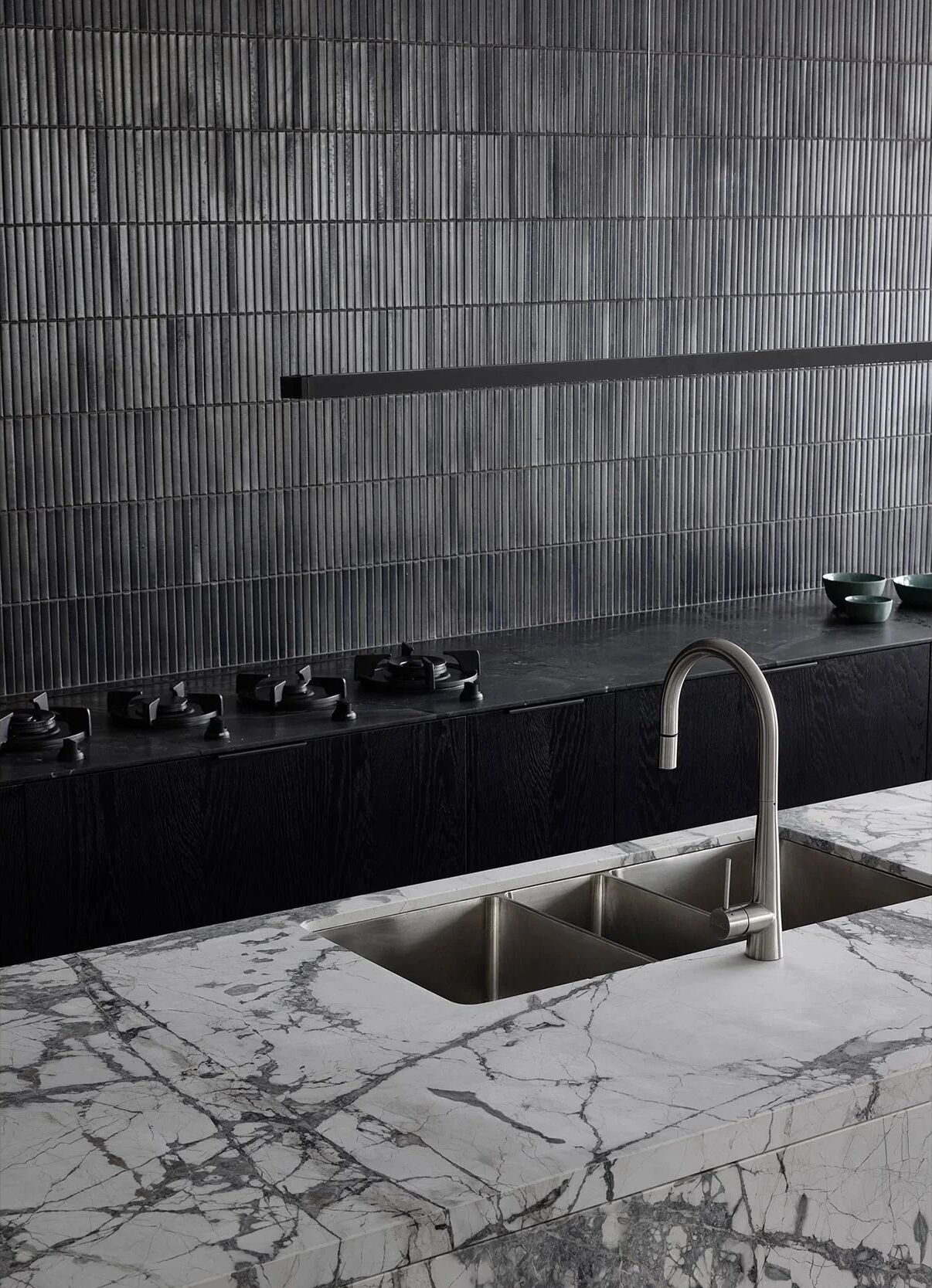
Ask most people what makes a house hard to build and they'll point at the difficult thing, the cantilever, the curved wall, the wall of glass that has to disappear. They're looking in the wrong place. The difficult thing is almost never a single trade. It's what has to happen before it, and what mustn't happen after.
We build people's forever homes, and there's a lot of blood, sweat and tears that goes into creating the means to do that. Every one is bespoke, case by case, deeply considered, and we don't take that lightly. But when clients ask us where the real craft lives, we don't start with the render or the joinery. We start with a question that sounds almost boring until you've lived through it going wrong: in what order?
Because a finished home is not an assembly of trades. It's a conversation between them, one that unfolds over months, in a fixed sequence, where every maker inherits the surface the last one left behind and has to hand a perfect one to the next. Get the order right and the whole thing reads effortless. Get it wrong and you're grinding back beautiful work to fix something that should have been done three weeks earlier.
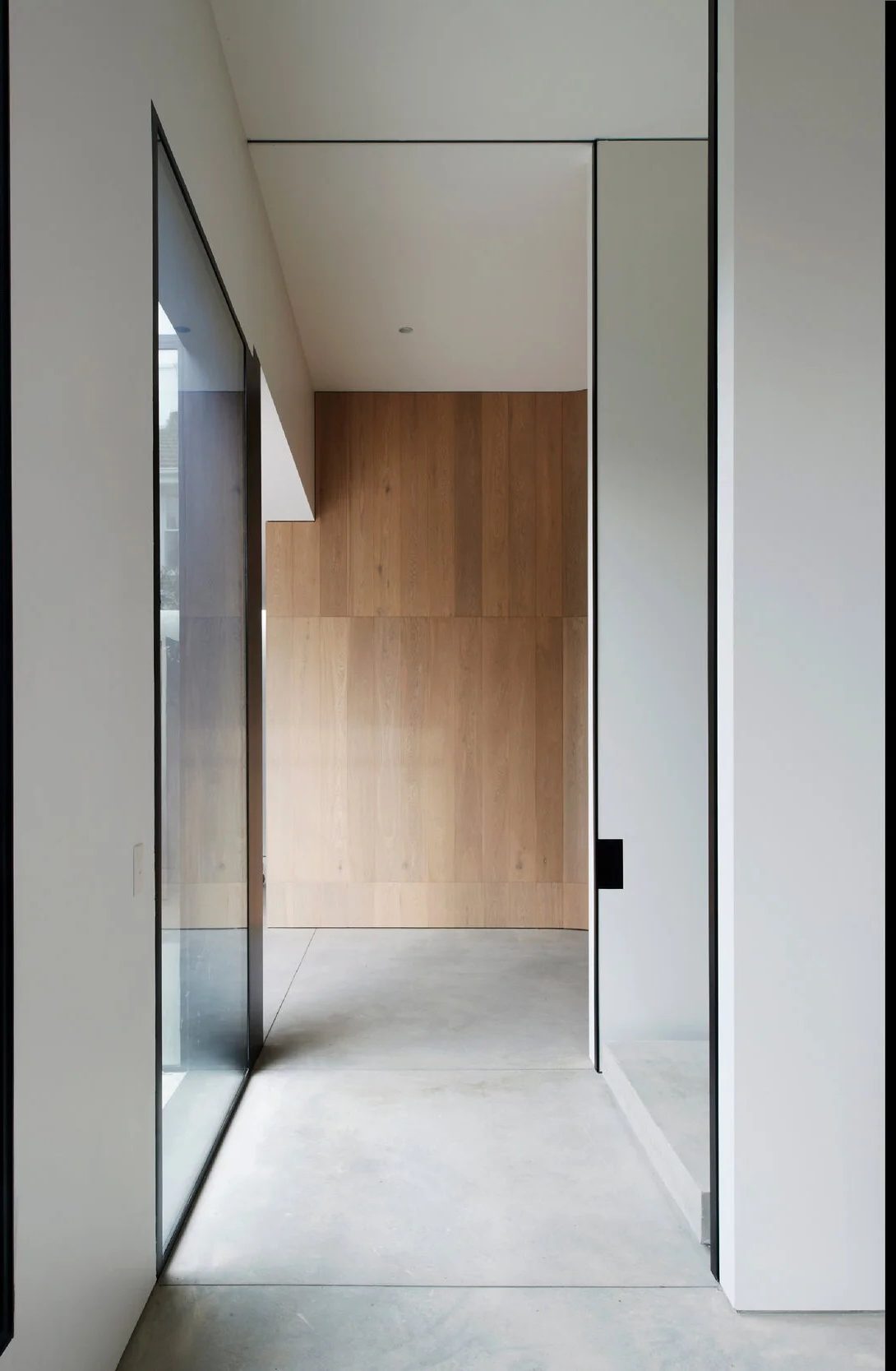
Curves, bespoke render, two-pack cabinetry, the hardest part is the order. We sequence every trade so each maker's work is honoured and protected.

Three things that fight for the same moment
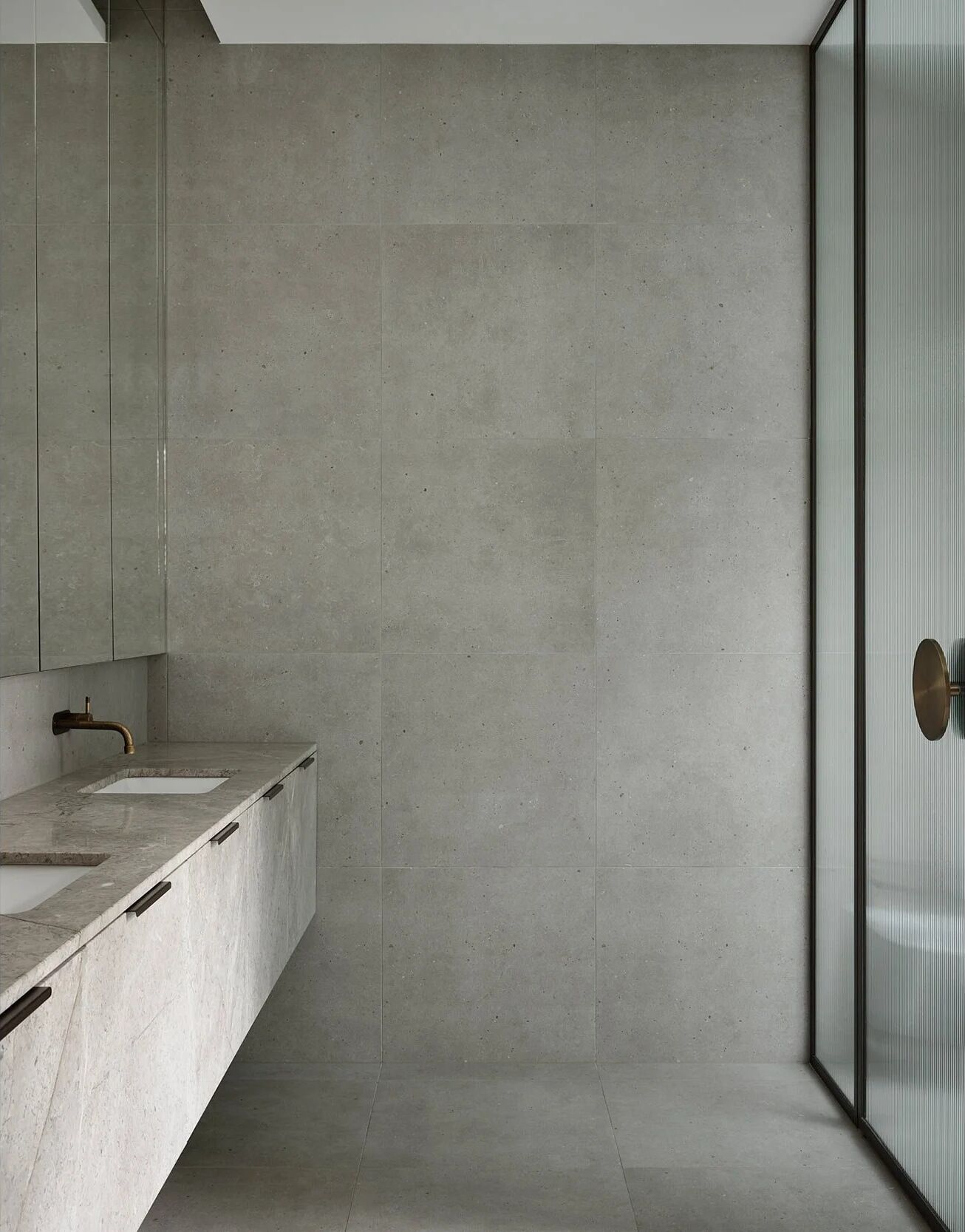
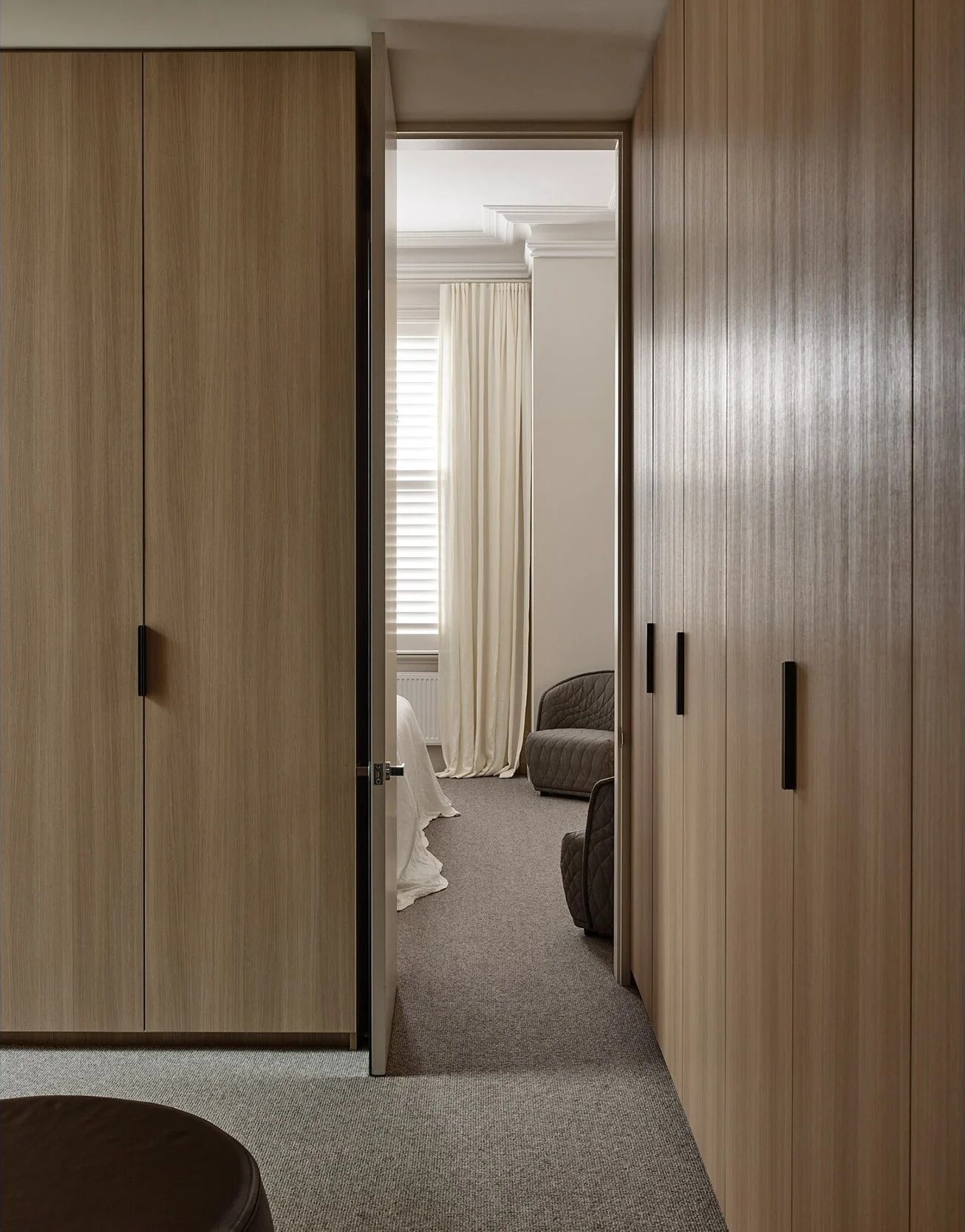
Take three details we return to again and again, a curve, a bespoke render, a run of two-pack cabinetry. Each is straightforward on its own. Any decent trade can build any one of them. The difficulty is that they all want the same corner of the calendar, and they cancel each other out if you let them.
A curve has to be set out in the frame long before anyone can render to it, the geometry is locked in rough carpentry, weeks before the surface exists. The render itself wants dust-free air, stable temperature, and no wet trade working above it. The two-pack cabinetry is the opposite personality entirely: it arrives late, factory-finished to a mirror sheen, and it will not forgive a ladder leaned against it or a plasterer's over-spray drifting across the room. Three makers, three ideal conditions, one space. Somebody has to decide who goes when, and who waits.
That's the job. Not building the thing. Ordering the thing, so the render never has to be re-floated because the curve moved, so the cabinetry never lands in a room that's still getting dust in the air, so no maker is asked to do their best work standing in the wreckage of someone else's.
Every maker deserves a clean surface
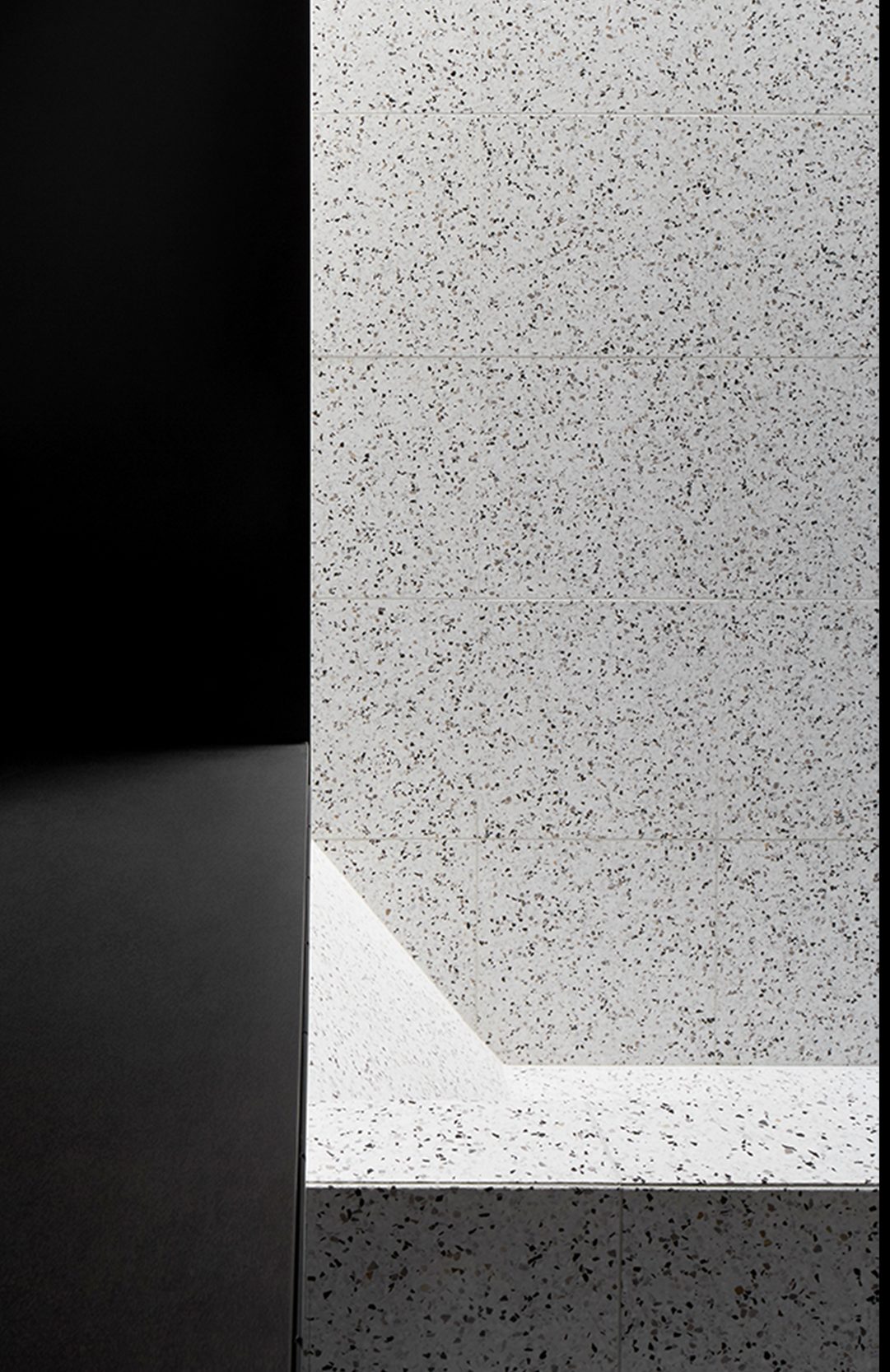
The joiner who spent a fortnight on a run of cabinetry shouldn't hand it over to a site that treats it as a workbench.
So we plan protection as carefully as we plan installation. When a finished surface goes in early because the sequence demands it, it gets boxed, wrapped, ply-faced and watched until the day we hand over the keys. A trade's work isn't finished when they pack their tools, it's finished when the client stands in the room. Everything between those two moments is our responsibility, and we treat it that way.
Conductors of the orchestra
On every Prolifica project the site manager isn't a supervisor counting heads. They're the conductor of the orchestra, fully immersed in what we're creating together, from the first drawing to the day we hand over the keys. A conductor doesn't play a note. They hold the whole score in their head and know, to the bar, who comes in next and who has to fall silent for it to work.
That's exactly what sequencing a bespoke home asks for. Our managers read the program the way a conductor reads a score, forwards and backwards at once. They know the render can't go on until the curve is proven true; they know the cabinetry can't land until the render has cured and the room is clean; they know the stone the client fell in love with has a lead time that quietly governs everything downstream. They're not reacting to the build. They're staying three movements ahead of it.
We value simplicity, in architectural lines, and in the process that creates them. We've honed our methods to make even the most complex design intent seem effortless.
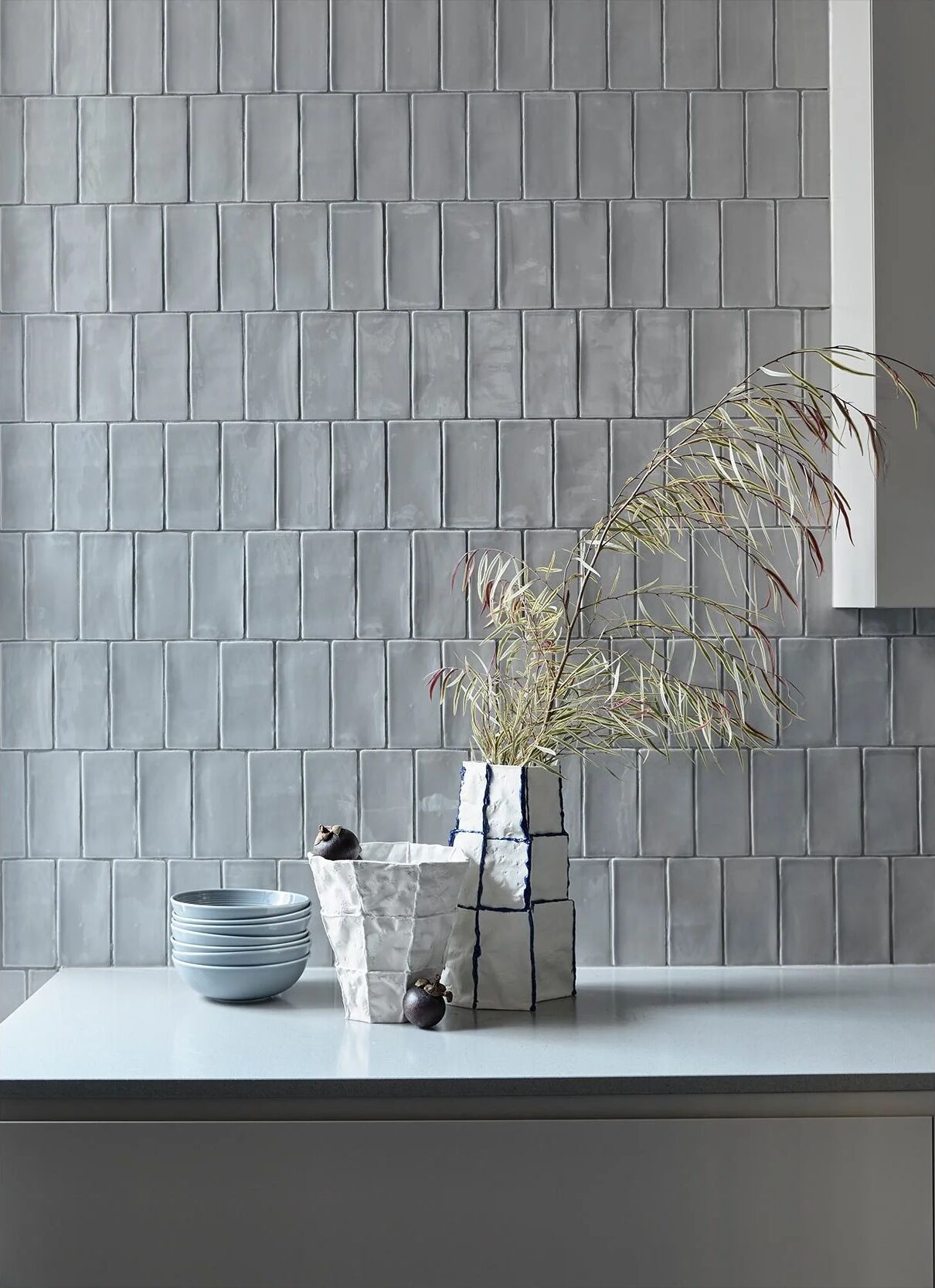
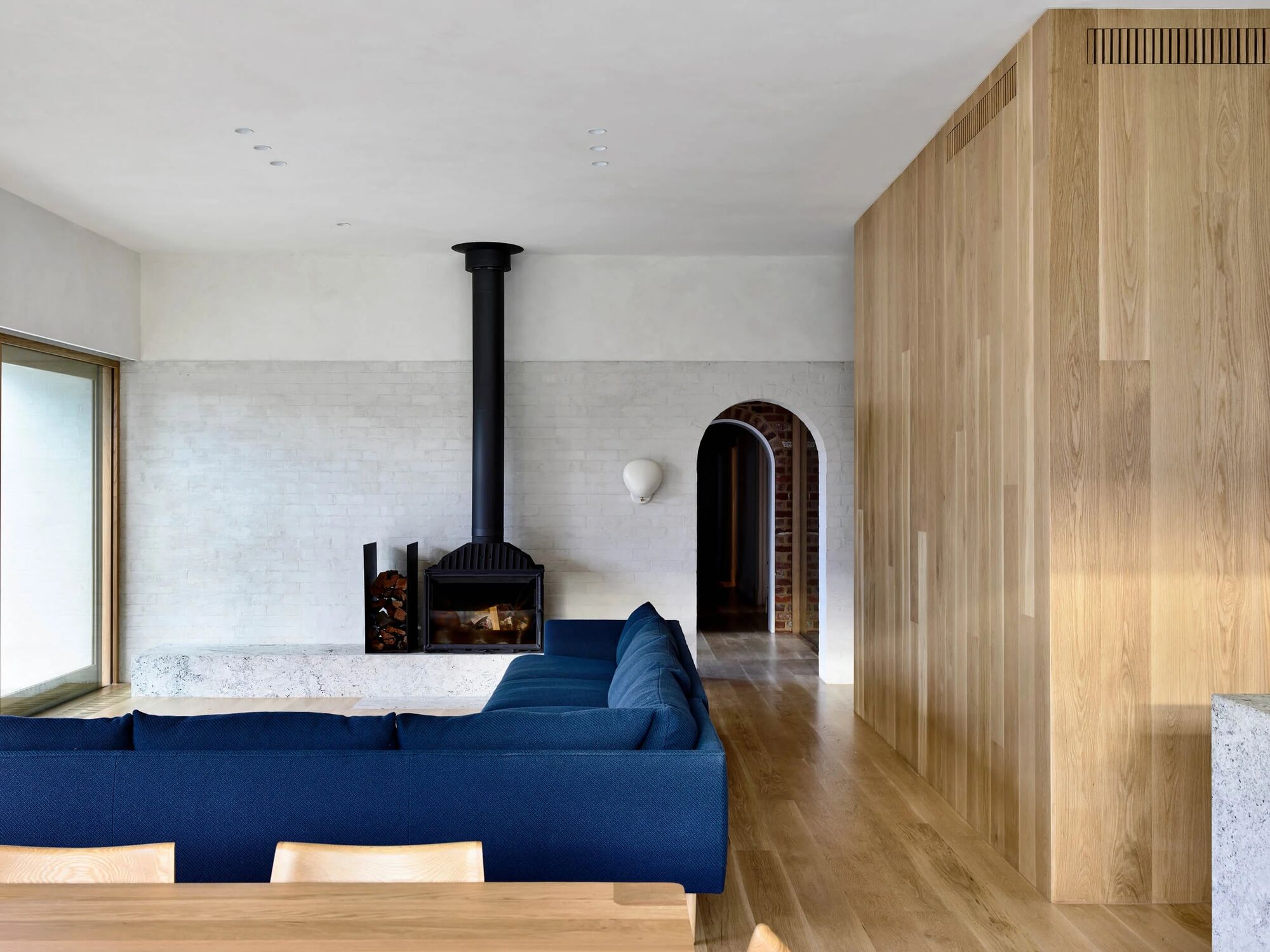
That word, effortless, is the tell. When a home reads as effortless, it means nobody had to fight for their moment. It means the sequence held. A guest running a hand along a two-pack door and feeling only glass-smooth lacquer has no idea how many decisions were made, weeks earlier, to keep that surface untouched. Good. That's the point. The order should be invisible in the result and relentless in the making.
When the building rewrites the sequence
A new build lets you plan the order in advance. Heritage doesn't. Open up an old home and the sequence you designed on paper meets the sequence the building has been keeping to itself for a century. You discover things on the fly, the latent conditions of a heritage structure, and every one of them ripples through the program.
On one project, through the demolition process, we found an opportunity to increase the lower-floor square meterage. We gained another three metres into the structure, which created the room for an ensuite, a yoga room, an infrared sauna, outcomes nobody could have drawn at design stage because the building hadn't told us yet. Those are the things you discover on the fly. And the moment you commit to them, the whole downstream order has to be re-composed on the spot: new services, new waterproofing, new trades slotted into a calendar that was already tight, without disturbing the work already protected behind us.
That's the difference between a builder who follows a program and one who can rewrite it mid-movement without dropping a beat. A conductor whose lead violinist breaks a string doesn't stop the concert. They hold the room, adjust, and keep the music whole. We build the same way.
You could just do a batten screen out of aluminium. These blades carry mortise-and-tenon joins over steel, hidden fixings, every angle offset and considered. Our team executed them with love and craftsmanship. It's what we do.
Prolifica · on the Boulevard blade screensEven that, the choice to run mortise-and-tenon over steel instead of screwing an aluminium batten to a frame, is a sequencing decision as much as a craft one. Hidden fixings mean the connection has to be resolved before the blade is ever offered up, not corrected after. Every angle offset and considered means every angle set out early, checked, and honoured by everything that lands near it later. The love shows in the finish. But it lives in the order.
This is what we mean when we say a build is considered, collaborative, and built, in that sequence, deliberately. We work shoulder-to-shoulder with the architect from the earliest drawings, because the order is easiest to protect when it's understood before anyone breaks ground. By the time the trades arrive, the score is written. All that's left is to conduct it, and to keep every maker's work honoured and protected until the client stands in the finished room and says, this is us. This is where we're at.
Considered. Collaborative. Built.
Have a home worth getting the order right on?
We take on few projects, on purpose. If you're working with an architect on something considered, we'd like to hear about it.
