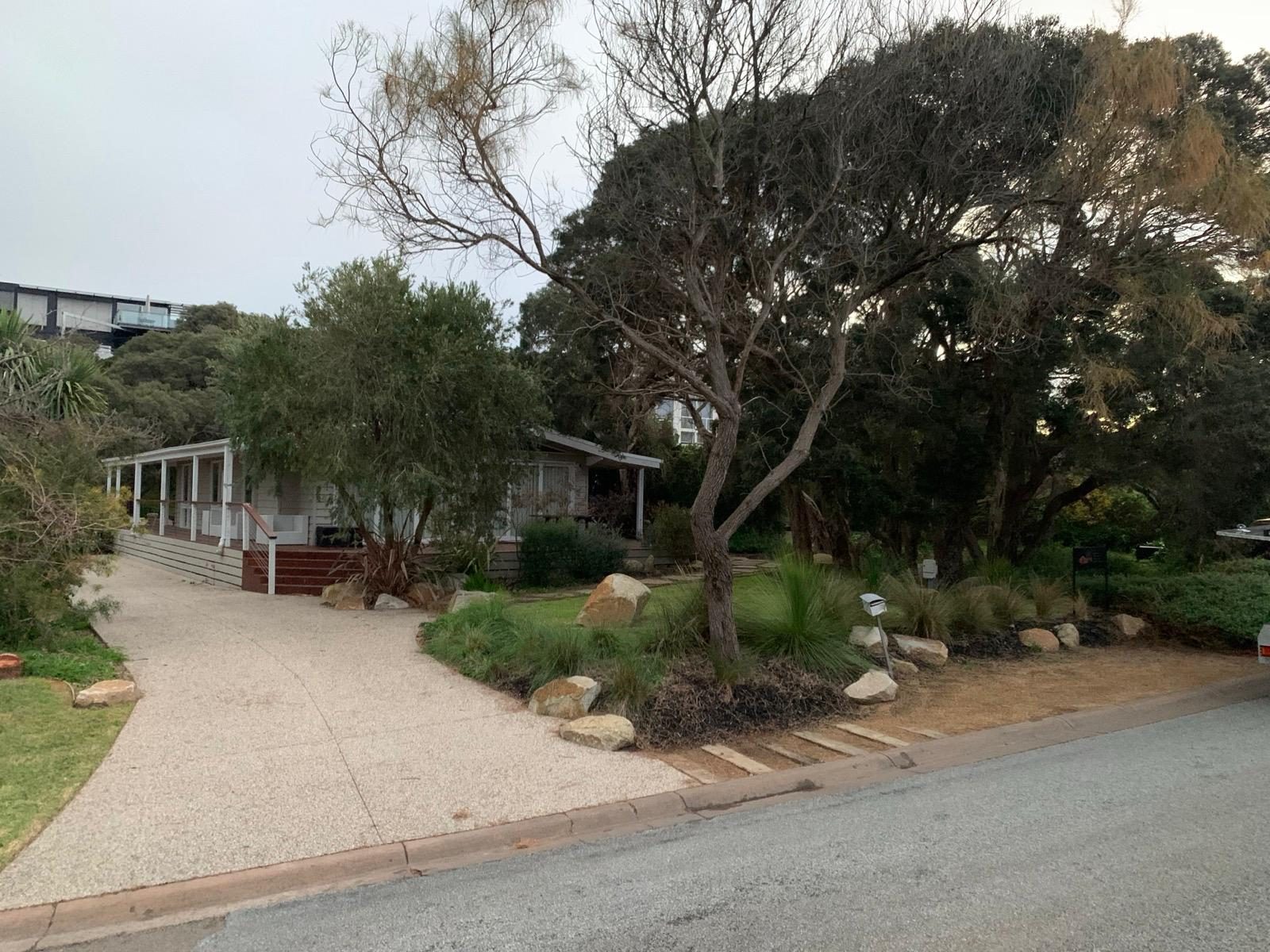
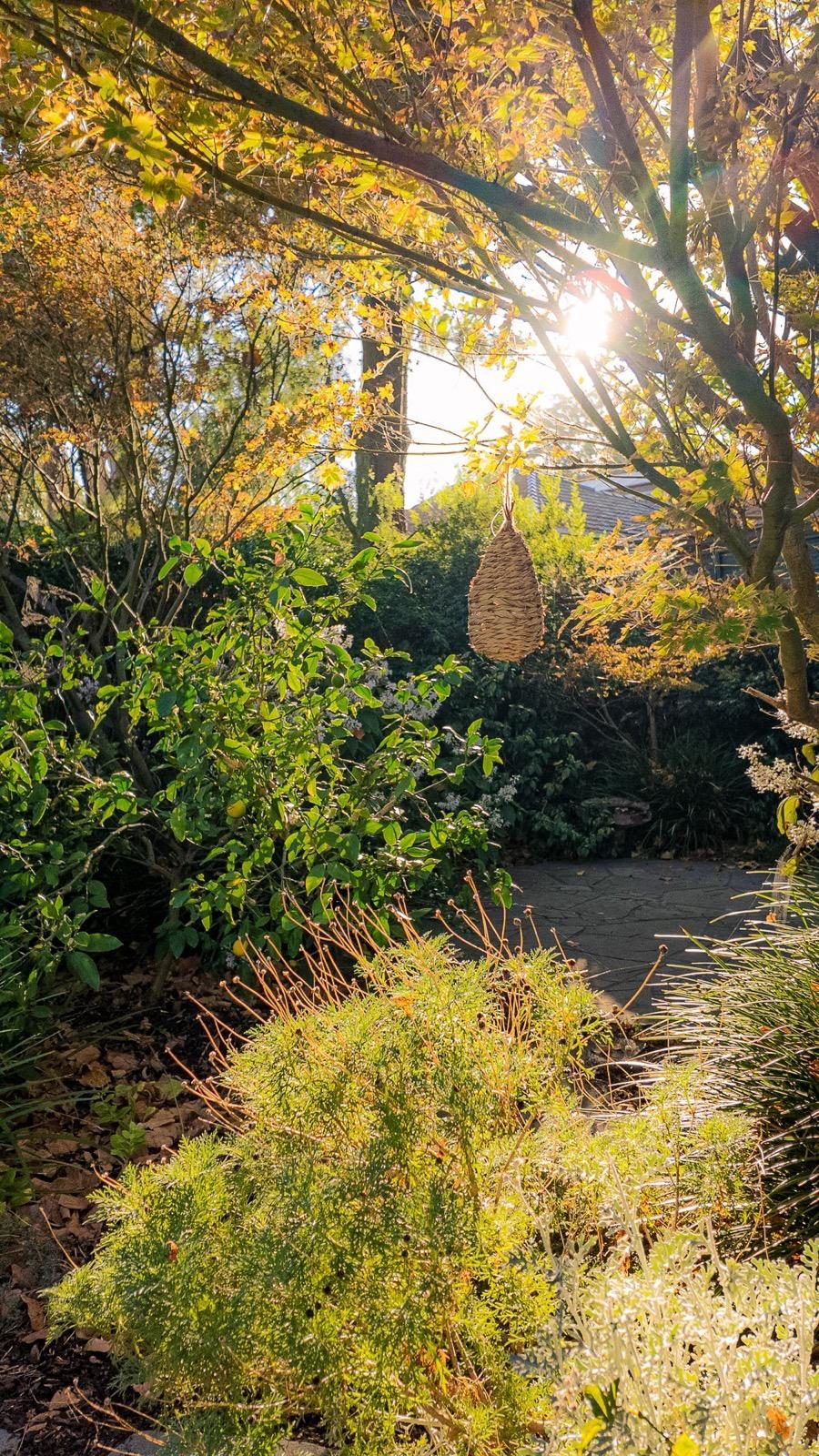
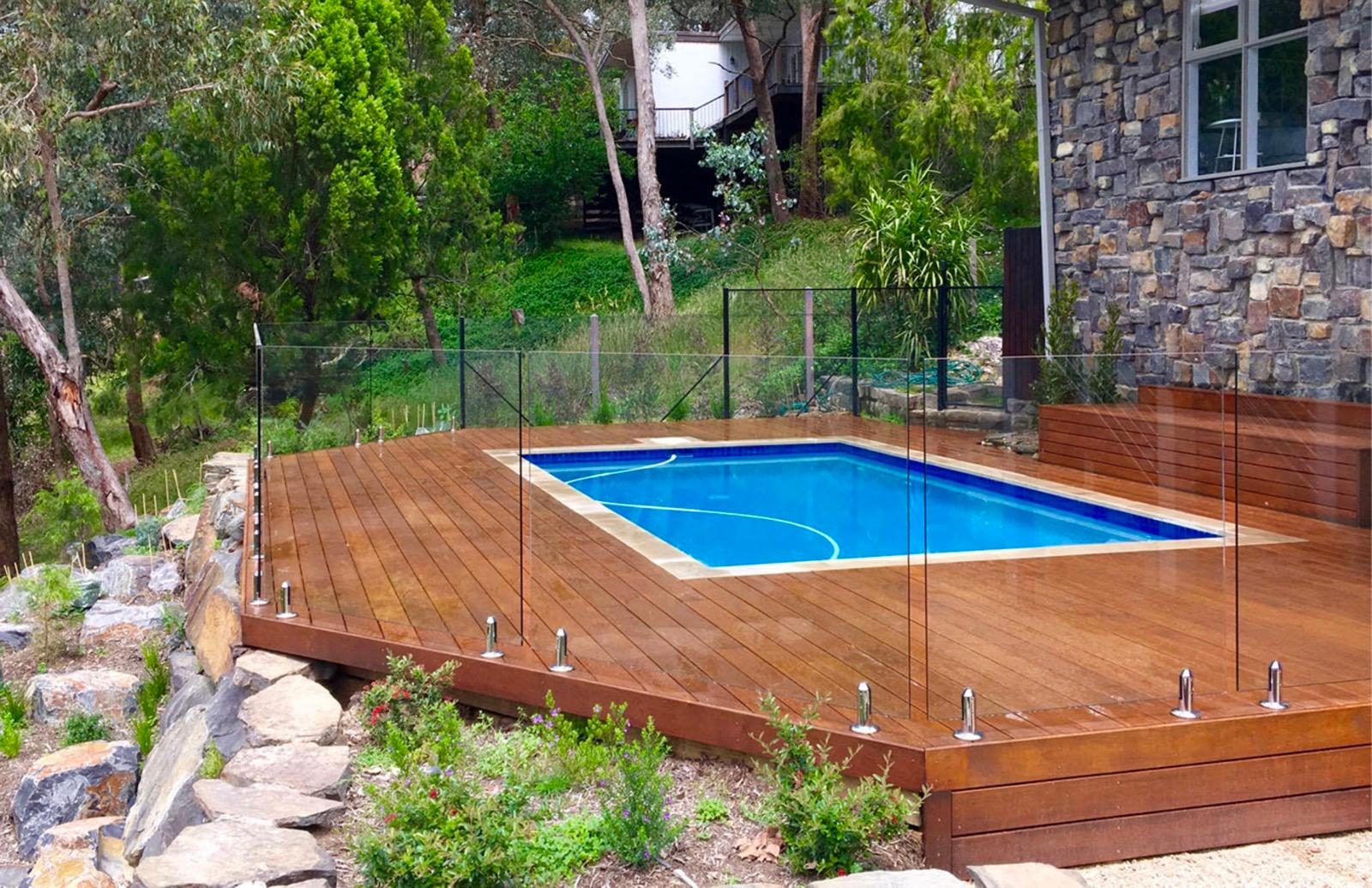
A garden that looks good without constant fussing is not luck — it comes down to choosing the right plants for our conditions and putting them in the right spot. Melbourne is a genuinely tricky climate to plant for. We swing from cold, wet winters to long dry spells in summer, we cop sudden heat days well over 40°C, and most gardens in the north-east around Greensborough sit on heavy clay that bakes hard in summer and holds water in winter. Get the plant selection right and you can have a garden that shrugs off all of that with very little input. Get it wrong and you'll be replacing plants and dragging hoses around every February.
This guide covers the plants we reach for most often when we want low maintenance and low water use — true Australian natives as well as a few hardy exotics that have earned their place. We've grouped them by aspect, because where a plant sits in relation to the sun matters more than almost anything else.
Why we recommend natives first
Founder Ed grew up working a Cuban farm, and that respect for working with the land rather than against it runs through everything we do. Australian natives are usually our first recommendation, and not just for sentiment — they're genuinely the practical choice for a Melbourne garden.
- They're built for our climate. Indigenous and Australian native plants evolved with dry summers, poor soils and erratic rainfall. Once established, most need little to no supplementary watering.
- Less feeding and fussing. Many natives actively dislike rich, phosphorus-heavy fertilisers. That means less work, lower cost, and fewer inputs going into the soil.
- They bring the garden alive. Grevilleas, correas and callistemons feed honeyeaters, wrens and native bees. A native garden hums in a way a clipped exotic hedge never will.
- They suit our sustainability approach. Pairing the right natives with recycled-material edging, mulched beds and good soil prep is the backbone of how we build a low-water garden that lasts.
That said, we're not purists for the sake of it. A few tough exotics — like westringia (technically a native but exotic-looking), lavender, rosemary and agapanthus — earn their place when they suit the look a client is after. The principle is the same: choose plants that want to live here.
Best plants for full sun and hot, dry spots
North- and west-facing beds, nature strips, and anything against a reflective wall or paving cop the worst of the Melbourne summer. These are the spots where the wrong plant fries by January. The following are proven performers once established:
- Grevillea — From low groundcovers like 'Bronze Rambler' to taller screening forms, grevilleas flower for much of the year and are bird magnets. Sun-loving and very drought-tolerant.
- Lomandra ('Tanika' or 'Lime Tussock') — A near-indestructible strappy grass-like plant. Handles full sun, poor soil, drought and even periodic wet feet. Brilliant for mass planting and clay soils.
- Callistemon (bottlebrush) — Hardy, fast and tolerant of both dry and damp. Dwarf forms like 'Little John' suit smaller gardens.
- Westringia (native rosemary) — A grey-green coastal-style shrub that clips into soft hedging and laughs at heat, wind and salt.
- Kangaroo paw — Striking architectural flowers in a hot, well-drained spot. Trim back hard after flowering to keep it fresh.
- Hardy exotics: lavender, rosemary, Russian sage and sedum all thrive in the same hot, sharply drained conditions and add a Mediterranean feel.
The one rule for full-sun beds: drainage matters. Most of these plants will rot in waterlogged clay. On the heavy soils common across the north-east, we often raise beds slightly and improve the soil structure first — a step that's easy to plan in at the design and planning stage and saves heartache later.
Best plants for shade and part-shade
South-facing beds, the base of established trees, and courtyards that only get morning light are the spots people most often struggle with. The trick is to stop fighting the shade and choose plants that genuinely prefer it:
- Correa (native fuchsia) — Our pick for dry shade. Correas flower through the cooler months when little else does, feeding birds, and cope happily under tree canopies.
- Dianella (flax lily) — Tough strappy foliage with blue flowers and berries. Handles shade to part-sun and dry soil without complaint.
- Native violet (Viola hederacea) — A spreading groundcover for shaded, slightly damp areas; a lawn alternative for spots that never get enough sun for turf.
- Clivia — A hardy exotic that's almost unkillable in dry shade, with vivid orange flowers in spring. Excellent under deciduous trees.
- Hellebore (winter rose) — Flowers in the depths of a Melbourne winter, tolerates dry shade once settled, and needs almost no attention.
Getting them established — the part that actually matters
Every plant above is described as "drought-tolerant once established," and that phrase does a lot of work. The first summer is when they need help. A few practical habits make all the difference:
- Plant in autumn. Autumn planting gives roots a full cool, wet season to establish before they face their first hot summer — far better odds than a spring or summer planting.
- Mulch generously. A 75–100mm layer of coarse, chunky mulch keeps roots cool, locks in moisture and suppresses weeds. We often use recycled and locally sourced materials.
- Water deeply, not often. A long soak once or twice a week in that first summer drives roots down. Frequent light sprinkles do the opposite and create lazy, shallow roots.
- Group by water need. Keep thirsty plants together and let the tough ones fend for themselves — so you're never watering the whole bed for the sake of one fussy plant.
A note on permits: most planting is permit-free, but if your plans involve removing a significant existing tree to open up a sunny bed, many north-east councils (Banyule, Nillumbik, Whittlesea and others) have local tree-protection rules. It's always worth checking before you start, and our team can advise or handle the tree work properly if it's needed.
Choosing the right plants is the foundation, but a truly low-maintenance garden also comes down to good soil prep, sensible bed layout, smart mulching and a planting plan suited to your exact aspect and soil. That's exactly what our one team handles — from landscaping and planting through to ongoing garden maintenance if you'd rather hand it over. If you'd like a hardy, water-wise garden that looks after itself, get in touch for a free, no-obligation quote and we'll come and look at your conditions in person. Done properly, done respectfully, done on time.