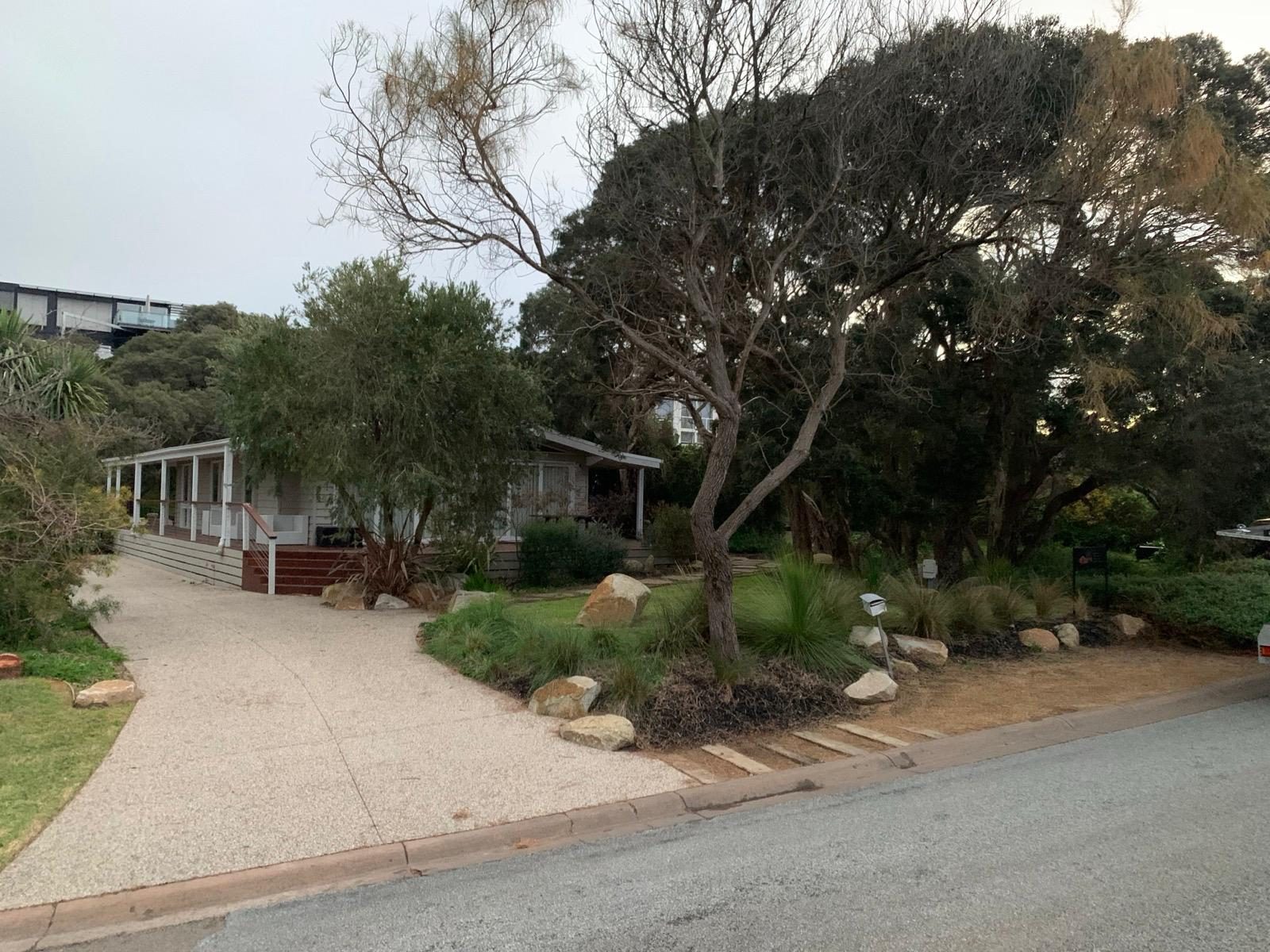
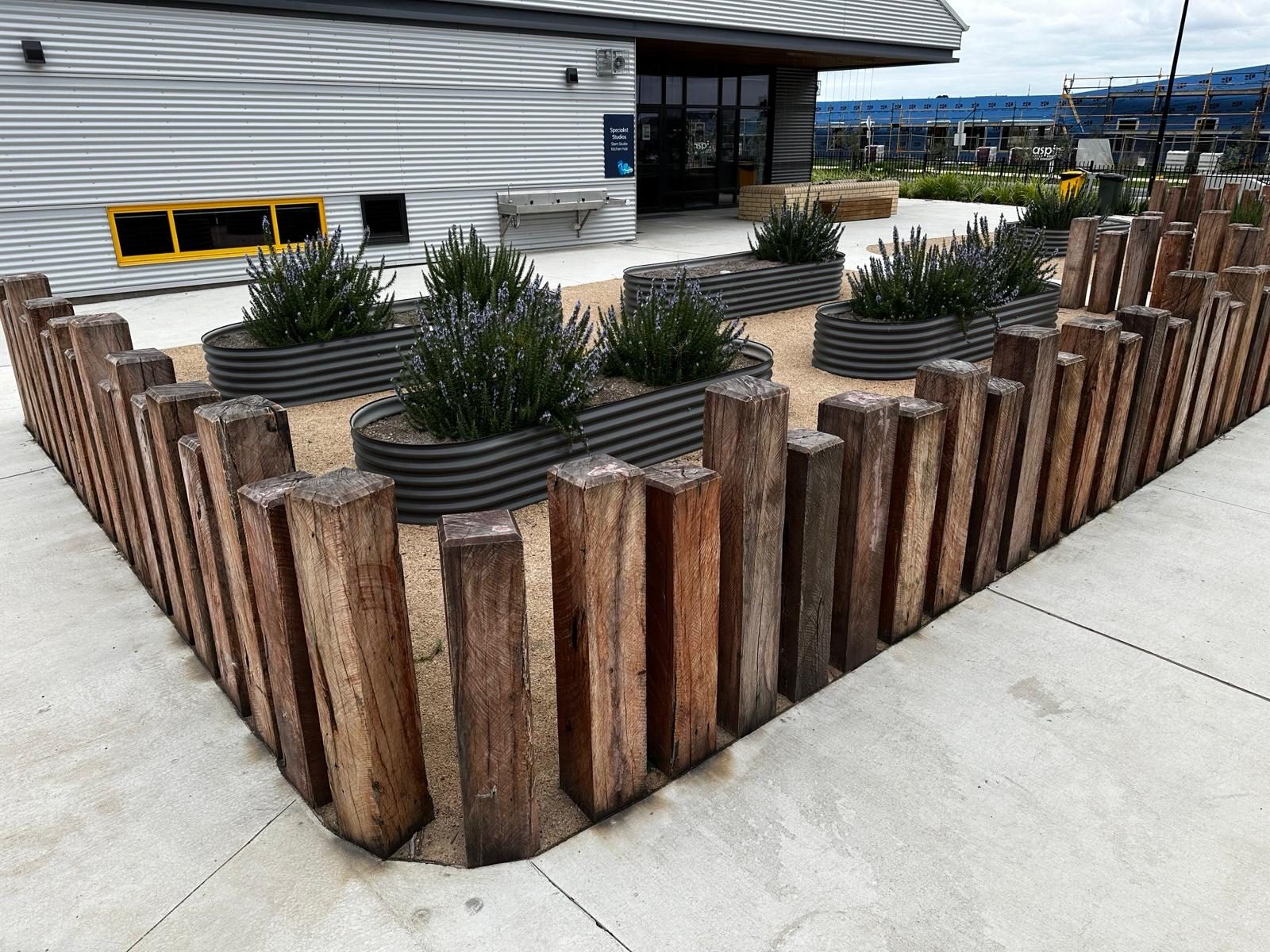
It's one of the first questions we're asked when a homeowner wants to make better use of their backyard: should we build a deck or lay paving? Both can give you a beautiful, hard-wearing outdoor area to live in, but they suit different sites, budgets and lifestyles. The right answer almost always comes down to your block — its slope, its drainage, how much sun it gets — and how you actually plan to use the space.
After years building outdoor areas across Melbourne's north-east, here's how we help our clients weigh it up honestly, without the sales spin.
The quick comparison: decking vs paving
Before we get into the detail, here's the shape of the decision at a glance.
- Decking suits sloping or uneven sites, raised areas off a back door, and anyone who wants warmth underfoot and a softer, more natural feel. It's faster to build over a difficult grade and works beautifully for a deck that flows out from an indoor living room.
- Paving suits flat or gently graded sites, high-traffic and wet zones, pool surrounds, driveways and anyone wanting the lowest possible long-term maintenance. It's hard to beat for durability and for a clean, contemporary look.
Neither is "better" — they're tools for different jobs. Plenty of the projects we deliver through our landscaping service use both: a timber deck closest to the house for the entertaining zone, with paved paths and patios linking it to the garden.
Cost: what you're really paying for
People often assume paving is cheaper. Sometimes it is, but it depends heavily on your site. On a flat block, a basic concrete or paver patio is usually the more economical option per square metre. On a steep or uneven block, that picture flips — the cost of excavation, retaining and building up levels to lay pavers can quickly exceed the cost of a deck that simply spans the slope on posts and bearers.
A few honest cost realities for Melbourne projects:
- Timber decking tends to sit in the mid-range to install, but carries ongoing upkeep costs (oiling, the occasional board replacement).
- Composite decking costs more upfront than most timber, but you spend far less maintaining it over its life.
- Paving ranges enormously — budget concrete pavers at the lower end, through to natural stone like bluestone (a Melbourne classic) and porcelain at the premium end.
- Site works are the wildcard. Drainage, retaining walls, fall correction and access for materials can move the final figure more than the surface choice itself.
The cheapest quote on paper rarely tells the full story. We'd always rather walk your site and price what it actually needs — that's part of our promise to do things properly the first time, so you're not repairing a poorly-drained patio in two winters' time.
Suitability by site: slope, drainage and Melbourne's climate
This is where the decision is usually made, and it's the part homeowners tend to underestimate.
Slope. If your yard falls away from the house, decking is often the natural choice. A raised deck lets you create a level platform without trucking in fill or building big retaining walls. To pave the same area, you'd typically need to cut, fill, retain and compact — more work, more cost, more disruption. On a flat block, paving has the edge because there's no structure to build.
Drainage. Melbourne soils are often reactive clay, which swells in wet weather and shrinks in our dry summers. Paving needs a properly graded base and falls (usually around 1 in 100) so water runs off rather than pooling — get this wrong and you'll have puddles, moss and movement. Decking is more forgiving here because water drains straight through the gaps between boards, but the ground and footings beneath still need to be set out and drained correctly. If your block holds water, drainage design matters more than the surface you pick. It's worth sorting at the design and planning stage rather than discovering it later.
Climate and aspect. Melbourne gives you everything from 40-degree summer afternoons to frosty winter mornings. Dark pavers and some composite boards can get genuinely hot underfoot in full afternoon sun — worth thinking about for a north or west-facing area, especially around a pool or where kids play barefoot. South-facing and shaded spots stay damp longer, so timber there needs good airflow underneath and a non-slip finish, and paving benefits from a textured surface to avoid algae build-up.
Timber, composite or recycled: choosing your decking
If you lean towards a deck, the next choice is the material. Each has a place.
- Hardwood timber (spotted gum, blackbutt, merbau and similar) gives you that unbeatable natural grain and a warm, characterful look. It's strong and long-lasting, but it's a living material — it needs oiling every year or two and will silver off if you let it. Many people love that weathered look; others prefer to keep it rich and freshly oiled.
- Composite decking (a timber-and-recycled-plastic blend) is the low-maintenance choice. No oiling, no splinters, resistant to rot and insects, and it holds its colour. It can't quite replicate real timber up close, and the better products cost more, but for busy households it's often the practical winner.
- Recycled and reclaimed timber is something we genuinely love working with. Reusing quality old hardwood keeps it out of landfill, carries a story and patina you can't buy new, and aligns with how we like to build. Sustainability isn't a marketing line for us — it's how Ed was raised, and recycled materials and native planting run through everything we do.
Whatever you choose, the structure underneath matters as much as the boards on top. Properly sized bearers and joists, the right spacing, good airflow and quality fixings are what separate a deck that lasts decades from one that bounces and cups after a few seasons. That's the difference our outdoor building team focuses on.
Choosing for entertaining
If the whole point is a space to host family and friends, think about how the area will actually live, year-round:
- Flow from indoors. A deck set close to your internal floor level makes the inside-outside transition seamless — ideal off a kitchen or living room. Paving usually sits a step or two lower, which can be fine but breaks the flow.
- Furniture and feet. Paving is rock-solid under heavy tables, outdoor kitchens and pots, and is easy to sweep and hose down after a barbecue. Decking is gentler on bare feet and warmer underfoot in cooler months.
- Heat and shade. For a west-facing entertaining area, lighter-toned surfaces and some shade (a pergola, sail or established tree) make summer afternoons usable rather than unbearable.
- Maintenance reality. Be honest about how much upkeep you'll do. If a yearly oiling weekend sounds like a chore, composite decking or paving will keep you happier for longer.
A keeping point worth remembering: large decks over a certain height, or structures near boundaries, can require a building permit, and councils across Melbourne's north-east vary in what they ask for. We sort the permit and planning side as part of the job so there are no surprises down the track.
Still weighing it up? The best way to get a clear, honest answer is to have someone look at your actual block — the fall, the soil, the sun and how you want to use the space. We'd be glad to walk through it with you and put together a no-obligation plan and price. Get in touch for a free quote and we'll help you choose the surface that's genuinely right for your home — done properly, done respectfully, done on time.