Ask three landscapers to quote the same backyard and you can easily get three very different numbers. That doesn't mean someone is ripping you off — it usually means the job has been understood (or measured) in three different ways. Landscaping is one of those trades where the price lives in the details: what's under your soil, how a wheelbarrow gets to the back fence, and whether your slope needs engineering. This is an honest guide to what landscaping really costs in Melbourne in 2026, written to demystify the numbers rather than scare you with them.
We'll be upfront about one thing: we can't give you a single magic figure for "a backyard". Anyone who quotes that sight-unseen is guessing. What we can do is explain the levers that move the price, give you realistic ranges for common projects, and show you how to get a quote that actually holds.
The real cost drivers (the bits nobody mentions in an ad)
Materials and the visible build are only part of the story. The factors below routinely make a bigger difference to your final invoice than the choice of paver or plant.
- Site access. This is the quiet killer of landscaping budgets. If a bobcat and truck can reach the work area, excavation and material handling are fast and cheap. If everything has to be barrowed by hand through a narrow side gate — common in Melbourne's older inner suburbs and on battle-axe blocks — labour hours climb steeply. A tight site can add a meaningful premium before a single plant goes in.
- Slope and levels. Melbourne's north-east, around Greensborough, Eltham and the Diamond Valley, is full of sloping blocks. Slope means cut-and-fill, often a retaining wall or two, drainage, and sometimes an engineer's involvement. A flat site is dramatically cheaper to work than a steep one.
- What's underground. Rock, heavy clay, old concrete footings, tree roots, buried rubbish from a previous build — Melbourne soils are notoriously clay-heavy and reactive. You don't know what's there until you dig, which is why honest quotes often include a contingency or an allowance for unknowns.
- Materials. The same shape of deck can swing hugely on timber choice (treated pine vs spotted gum vs composite), and a paved area can double in cost moving from concrete pavers to natural bluestone. Recycled and reclaimed materials can be both more sustainable and more economical — something we lean into wherever it suits the design.
- Labour and trades. Skilled landscaping labour, plus any licensed trades (electrical for lighting, plumbing for irrigation or water features, structural for big walls), is the largest line on most jobs. Quality work is hands-on and time-intensive — there's no shortcut around it.
- Drainage and the unseen base. Good drainage and a properly compacted base are what stop your new paving from heaving and your lawn from drowning each winter. It's invisible when finished, but skimping here is the single most common reason a "cheap" job fails within a couple of seasons.
- Permits and council. Decks over a certain height, retaining walls above roughly a metre, and anything near a boundary or significant tree can trigger permits. Councils across Melbourne vary in their requirements, and overlays for bushfire, heritage or significant landscape are common in the north-east. Permit work takes time and adds cost, but skipping it can be far more expensive later.
Rough ranges for common Melbourne projects
These are broad, indicative ranges for 2026 to help you sanity-check a quote and set expectations — not a price list. Your actual figure depends entirely on the drivers above. Treat anything wildly below these ranges with healthy suspicion; it usually signals a thin base, no drainage, or corners cut somewhere you can't see.
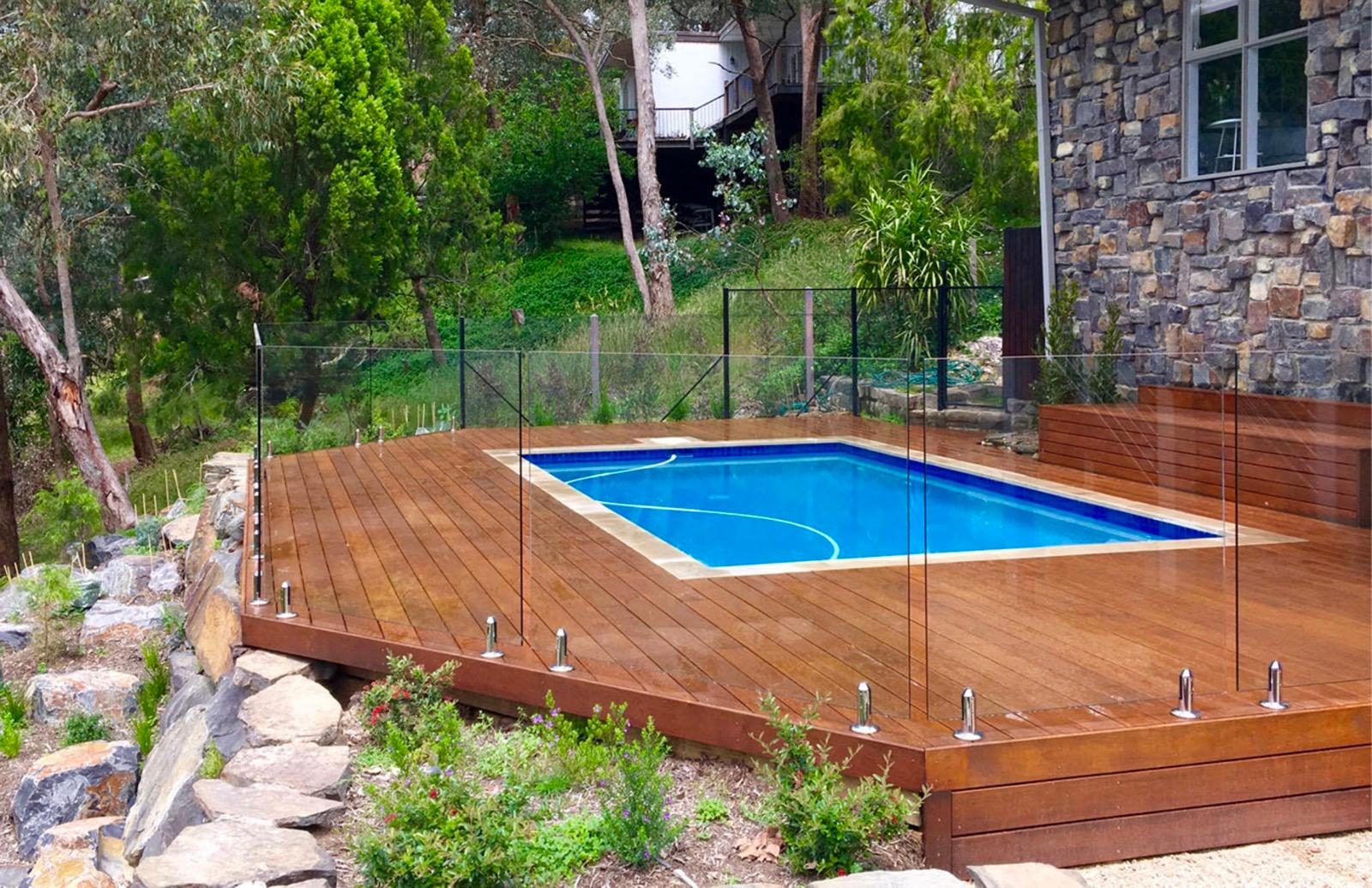
- Timber or composite decking. A straightforward, ground-level deck in treated pine sits at the lower end; raised decks, premium hardwoods like spotted gum, composite boards, or anything needing footings, screening and balustrades climb well above that. Height (and therefore permits and structure) is the biggest swing factor. See our outdoor building work for what's involved.
- Retaining walls. Cost is driven by height, length, and the material — treated-pine sleeper walls are the budget option, while concrete-sleeper, besser-block-and-render, or natural stone walls cost considerably more. Once a wall passes about a metre, engineering, drainage behind the wall, and a permit typically come into play, which lifts the price per metre noticeably.
- Paving and patios. The base preparation matters as much as the surface. Concrete pavers are the economical choice; natural bluestone, travertine and porcelain sit at the premium end. Area, cuts, and access all move the number.
- Full backyard transformations. A complete redesign — new levels, paving, deck, lawn, garden beds, irrigation and lighting — is a five-figure project for most suburban blocks, and can run well into the higher five figures (or beyond) for large, sloping or premium sites. The honest truth is that "full transformation" covers an enormous range, which is exactly why a proper design and planning stage is worth doing first.
Domestic vs commercial — why they're priced differently
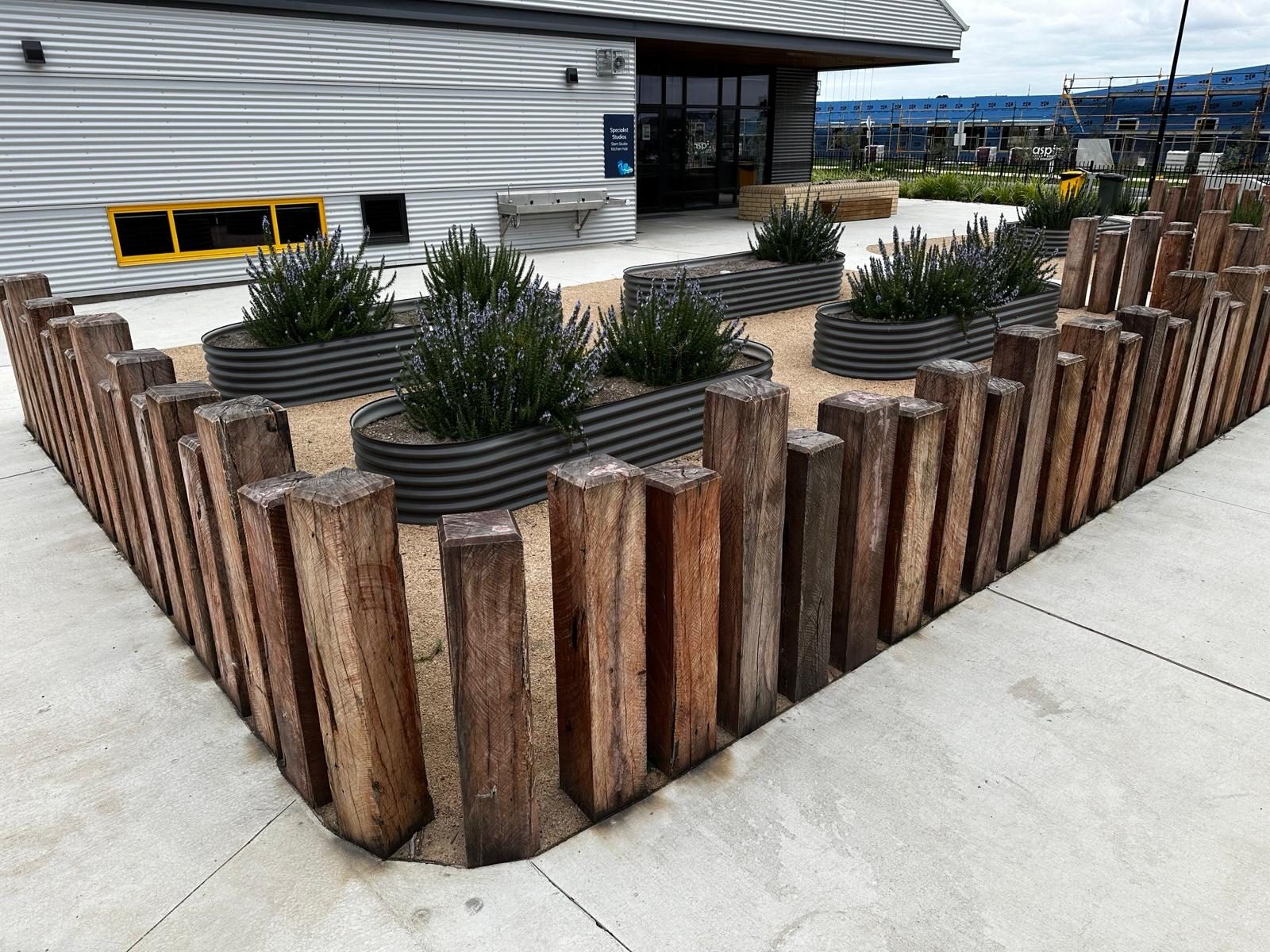
Commercial landscaping isn't simply "domestic but bigger". The work often happens around an operating business, which means staging, after-hours scheduling, traffic management, and stricter compliance and insurance requirements. Specifications are usually tighter, materials are chosen for durability and safety under heavy foot traffic, and there's frequently an ongoing maintenance component to keep the asset looking sharp. All of that is reflected in the quote. Domestic projects, by contrast, are usually more design-led and personal, with budget often the deciding factor between a good option and a great one. We handle both, with one coordinated team rather than a chain of subcontractors.
How to get an accurate quote
The most reliable quotes come from a proper site visit, not a quick phone estimate. A landscaper standing in your yard can read the access, test the soil, check the levels, and spot the things that cost money before they become surprises. To get the most accurate quote possible:
- Be clear on your budget range up front — it helps us design to what's realistic rather than quote something you'll have to gut.
- Share your priorities. If the deck matters more than the lawn, we can stage the work so the important parts get done properly first.
- Ask what's not included — spoil removal, permits, drainage, and reinstatement are common omissions in suspiciously low quotes.
- Compare like for like. A cheaper quote with a 50mm base and no drainage isn't cheaper; it's a different (and shorter-lived) job.
- Check the quote is itemised, so you can see where your money goes and make informed trade-offs.
Good landscaping is an investment in your property and in years of enjoying your outdoor space — and the right quote is the one that's honest about what the job genuinely takes. If you'd like a clear, no-pressure assessment of your project and a quote you can actually rely on, we'd be glad to help. Get in touch for a free quote and we'll come and look at your site properly. Done properly, done respectfully, done on time.