A sustainable garden is not a compromise. Done well, it is the most beautiful garden on the street — full of texture, movement and birdsong — while quietly using less water, less money and less of your weekend. In Melbourne, where we swing from cool, wet winters to long dry spells and the occasional 40-degree day, designing with the climate rather than against it is simply good sense. Here is how to do it properly, from the ground up.
Start with the conditions you actually have
The most common mistake we see is choosing plants first and worrying about the site later. Reverse that. Spend time understanding your block before you buy a single shrub, because Melbourne gardens vary enormously even within a few suburbs.
- Sun and shade. Watch how light moves across the garden through the day. Our summer sun is fierce from the north and west; afternoon western walls and paving radiate heat well into the evening.
- Soil type. Much of Melbourne's north-east, including Greensborough and the surrounding hills, sits on heavy clay that holds water in winter and sets like concrete in summer. Other pockets are sandy and free-draining. Dig a hole, fill it with water, and see how fast it drains.
- Wind and frost. Elevated and valley sites get cold air pooling and frosts that flat suburban blocks escape.
- Microclimates. A north-facing courtyard, a shaded south side, a damp corner under a gutter — each is a different garden, and each suits different plants.
Matching the right plant to the right spot is the single biggest sustainability decision you'll make. A plant that belongs there needs little water, no fussing and no chemical propping-up. This kind of site analysis is where good design and planning earns its keep, and it costs nothing to get right on paper before anything goes in the ground.
Native planting and water-wise design
Water-wise gardening — sometimes called xeriscaping — sounds like gravel and cactus, but in Melbourne it looks lush. The principle is straightforward: group plants by how much water they need, plant the thirsty few close to the house where you'll notice them, and let the bulk of the garden be species that thrive on rainfall alone once established.
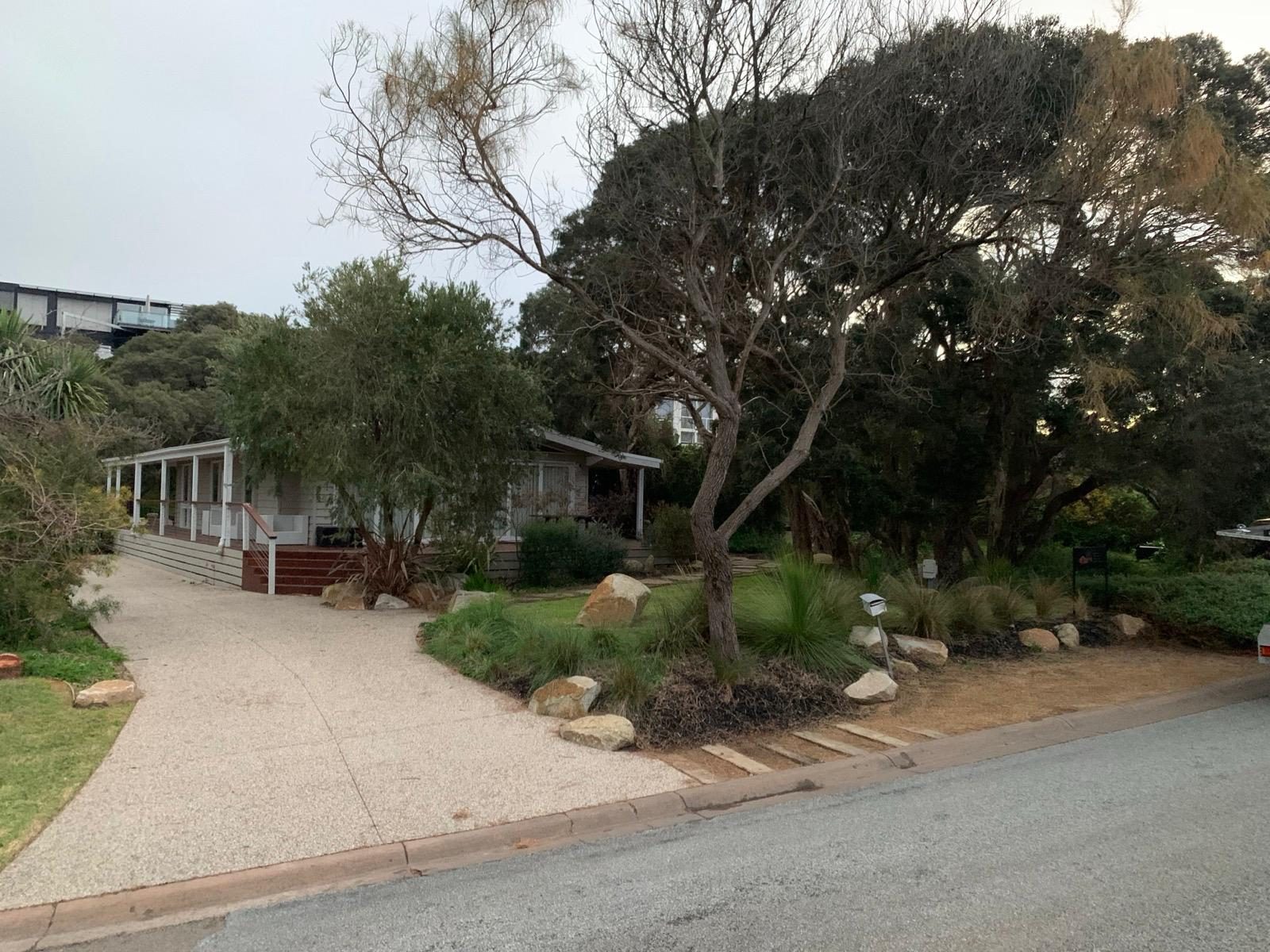
Australian natives and locally indigenous plants are the backbone of this approach. Indigenous species — those that grew in your area before suburbia — are adapted to exactly your soil, rainfall and pests. They reward you with grevilleas and correas that flower through winter, kangaroo paw and dianella for colour, lomandra and poa grasses for soft movement, and bottlebrush or banksia that bring in the honeyeaters. Many councils, including those across Melbourne's north-east, run indigenous nurseries where local stock is sold cheaply.
A few water-wise habits make a lasting difference:
- Mulch deeply. A 75–100mm layer of coarse organic mulch cuts evaporation dramatically, suppresses weeds and feeds the soil as it breaks down. Keep it clear of plant stems.
- Water deeply and rarely. Infrequent, soaking watering pushes roots down where the soil stays cool and moist. Frequent light sprinkling does the opposite and creates weak, dependent plants.
- Install a rainwater tank. Even a slimline tank along a fence captures enough roof runoff to carry pots and veggie beds through summer, easing pressure on town water.
- Use drip irrigation on a timer. Delivering water to the root zone before dawn loses almost nothing to evaporation, unlike midday sprinklers.
Reduce the lawn, build the soil, invite the wildlife
Lawn has its place — kids and dogs need somewhere to play — but a wall-to-wall buffalo or couch lawn is the thirstiest, most demanding part of most Melbourne gardens. Shrinking it is one of the quickest sustainability wins. Keep a generous, well-shaped patch where you genuinely use it, and convert the rest to garden beds, native groundcovers, a productive vegetable patch or a permeable seating area. A smaller, healthier lawn watered deeply beats a large, struggling one every time.
Whatever you plant, it lives or dies by the soil. Healthy soil is alive — full of microbes, fungi and worms that feed roots and store water like a sponge. Build it by adding compost and aged organic matter, mulching constantly, and avoiding synthetic fertilisers and tilling that destroy soil structure. On Melbourne's heavy clay, gypsum and plenty of organic matter open it up over time so water moves through instead of sitting. Start a compost bin or worm farm and your kitchen scraps become next season's fertility for free. Ongoing care from a regular garden maintenance routine keeps that living soil and mulch topped up so the whole system stays self-sufficient.
Sustainability also means closing the loop on materials. Recycled and reclaimed elements give a garden instant character and keep usable resources out of landfill:
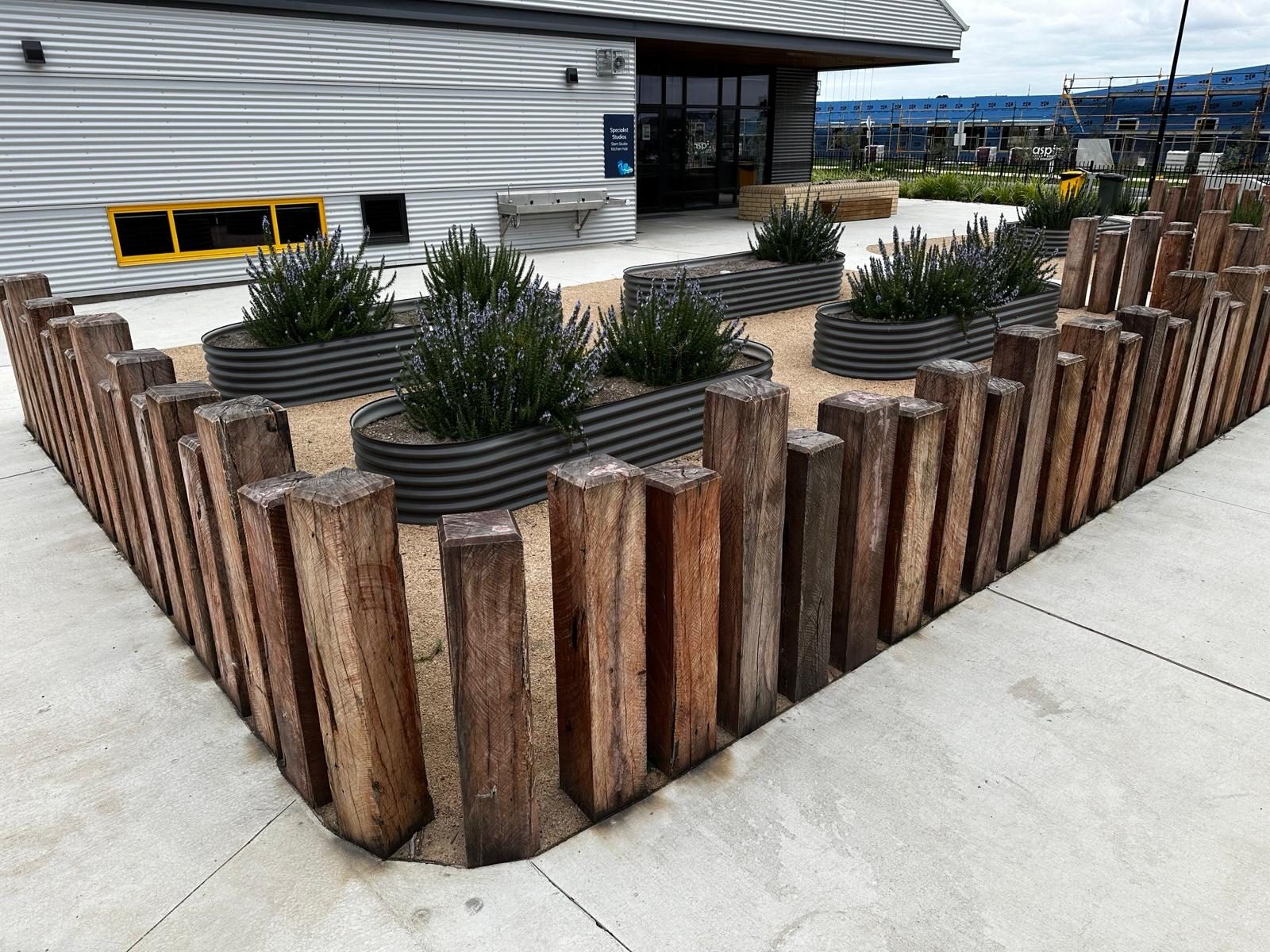
- Recycled brick, bluestone and reclaimed timber for paths, edging, raised beds and retaining walls.
- Permeable surfaces — gravel, decomposed granite, spaced pavers — that let rain soak into the ground rather than running off into the stormwater drain.
- Locally sourced stone and crushed recycled concrete as a base, cutting transport emissions and cost.
- Repurposed materials for screens, planters and structures, given a second life rather than buying new.
This thinking carries through to any built structure — a deck, pergola, retaining wall or raised veggie beds — where material choice and durability matter as much as looks. Sourcing responsibly and building to last is central to how we approach outdoor building and landscaping, because the most sustainable structure is the one you never have to replace.
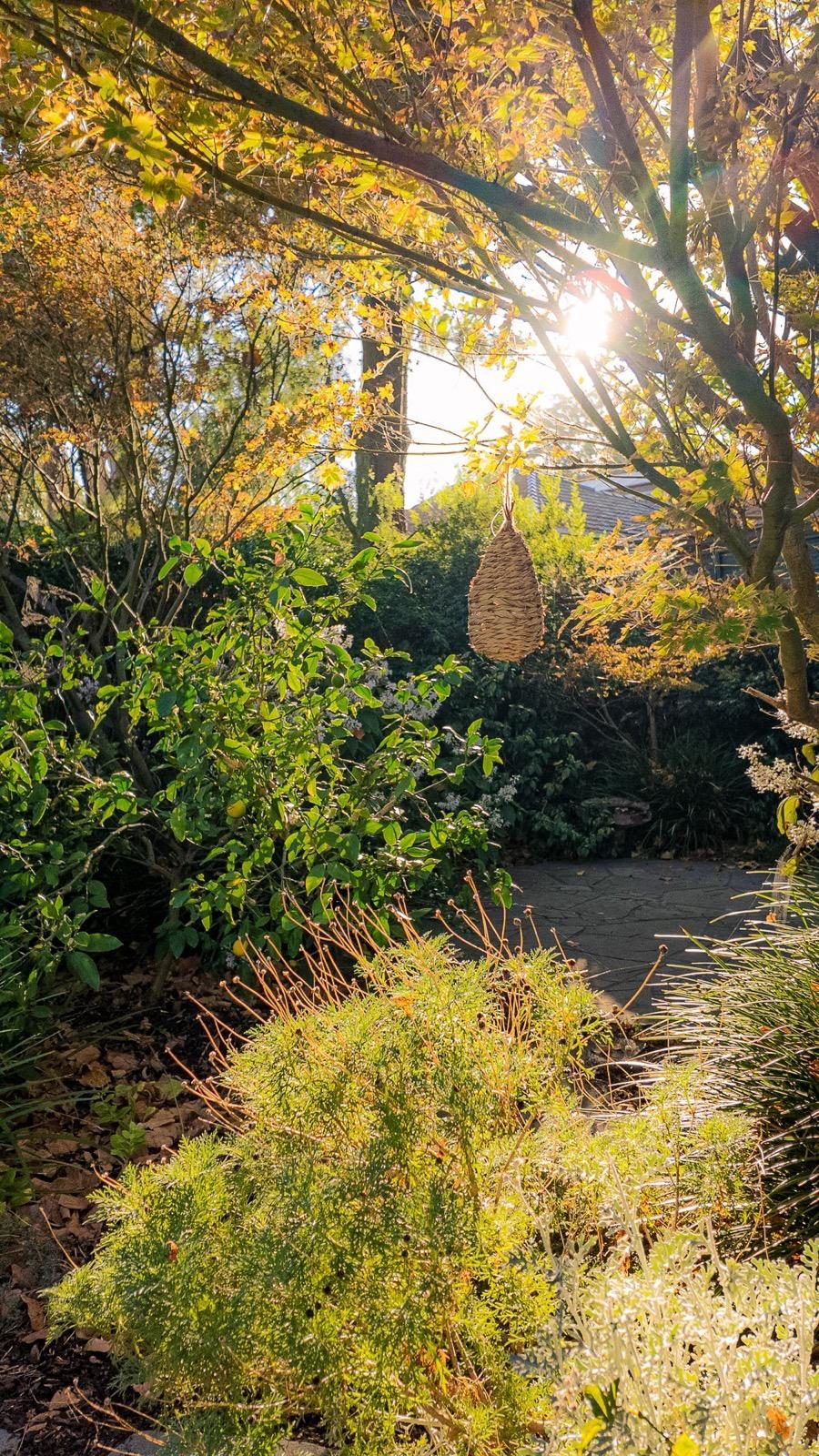
Finally, design for the locals. A garden that hums with bees, lizards and small birds is a garden that's working. Layer your planting — groundcovers, grasses, shrubs and the odd small tree — so there are places to feed, shelter and nest. Choose nectar-rich natives for pollinators, leave a few logs and rocks for skinks, add a shallow birdbath topped from the tank, and resist the urge to tidy every corner. A little wildness is what makes a sustainable garden feel alive rather than merely low-maintenance.
None of this asks you to choose between sustainability and beauty — they are the same thing, designed properly. If you'd like a hand turning your block into a water-wise, wildlife-friendly garden that suits Melbourne's climate, our team can walk the site with you and put together a plan. Get in touch for a free, no-obligation quote and we'll help you build something done properly, done respectfully, and built to last.